
Airpals logo
Log In
Contact Us
  1. Home
  2. Workplace Logistics
  3. How to Simplify Outbound Logistics: A Complete Playbook for Workplace Operators
outbound logistics
• 13 min read

How to Simplify Outbound Logistics: A Complete Playbook for Workplace Operators

Learn what outbound logistics is, why it’s so hard to manage, and how to streamline it across teams, offices, and carriers.
Author avatar
Ananda AbadPublished: Mar 16, 2026Updated: Mar 17, 2026

Outbound logistics is a critical part of any business’s operations, responsible for getting products, equipment, or documents from your company out to their intended recipients.

For workplace operators managing multiple offices or facilities, outbound shipping can feel overwhelming, from coordinating couriers and carriers to tracking packages and controlling costs.

In this comprehensive playbook, we’ll explain what outbound logistics is and how it differs from inbound logistics. More importantly, we’ll explore strategies to simplify these processes.

Table of Contents:

  1. What Is Outbound Logistics?
  2. What Is the Difference Between Inbound vs Outbound Logistics?
  3. What Does Outbound Logistics Look Like in Multi-Site Companies?
  4. Why Is Outbound Shipping So Difficult to Manage?
  5. How Does Airpals Centralize Outbound Logistics for Workplace and Operations Teams?
  6. When Should a Company Invest in a Parcel Management Platform?
  7. Key Takeaways
  8. Conclusion: Make Outbound Logistics Easier to Manage
  9. Frequently Asked Questions (FAQs)

What Is Outbound Logistics?

Outbound logistics refers to the set of processes involved in moving goods out of a business and toward the next destination. By the outbound logistics definition, this encompasses coordinating storage, transportation, and distribution of items from your organization.

For workplace operators, the concept often extends beyond ecommerce or manufacturing. A company may be sending laptops to new hires, office materials to satellite locations, or replacement equipment to technicians. In all of those cases, the business is managing outbound shipping from its own operational perspective. 

The goal of outbound logistics is to ensure that the right products reach the right place on time and in good condition, while optimizing cost and efficiency. 

What activities are included in outbound logistics?

Key activities typically included in outbound logistics are:

  • Order Processing: Handling orders or shipment requests, from order entry and verification to invoicing.
  • Packaging and Labeling: Preparing products or materials for shipment. This means securely packing items, labeling boxes, and including any necessary documentation.
  • Inventory and Warehousing: Storing finished goods in a warehouse or storage area until they’re ready to ship. 
  • Transportation and outbound shipping: Choosing the best shipping methods and carriers to deliver the items, and then coordinating the actual transport. This could involve scheduling pick-ups with parcel carriers or dispatching local couriers for same-day outbound delivery.

A well-run outbound logistics operation means users receive their packages on time, remote offices get the equipment or supplies they need, and the business minimizes shipping costs and errors along the way.

What Is the Difference Between Inbound vs Outbound Logistics?

Inbound vs outbound logistics can be understood by their direction and purpose. Inbound logistics covers the goods a company receives from suppliers or other origin points. Outbound logistics covers the goods a company sends out to another destination.

For workplace operators, the difference matters because outbound work usually involves tighter deadlines and more recipient coordination. When a shipment is leaving your facility, the business is responsible for accuracy, timing, and status communication. That often creates more administrative pressure than inbound receiving.

TopicInbound logisticsOutbound logistics
Direction of movementInto the company from suppliers or other origin pointsOut of the company to another destination
Typical activitiesReceiving, inspection, storage, inventory intakePicking, packing, labeling, shipping, tracking
Real-world scenarioAn office receives monitors from a vendorThe same company sends monitors to a remote employee

What Does Outbound Logistics Look Like in Multi-Site Companies?

For companies operating across multiple offices, warehouses, or facilities, outbound logistics becomes more intricate. Here’s a look at common outbound scenarios in a multi-site organization (and how they add complexity):

  • Inter-Office Shipments: Large organizations frequently need to send items between offices or facilities. For example, your HQ might ship marketing materials or office supplies to regional offices. Managing these outbound shipments means coordinating pickups and deliveries across different locations. Keeping track of inter-office packages can be challenging without a standardized process.
  • Outbound Distribution to Warehouses or Partners: Multi-site companies often transfer stock between warehouses, distribution centers, or partner facilities as part of their supply chain. This outbound transportation needs careful scheduling and tracking. Ensuring that each facility receives what it needs on time requires visibility into all shipments in transit.
  • Remote Employee Equipment Shipping: With the rise of remote and hybrid work, workplace teams are now handling outbound logistics to individual addresses as well. These shipments often involve extra steps like providing return labels, managing safe packaging, and tracking delivery to ensure employees get what they need to work. It’s a scenario that blends corporate logistics with parcel shipping, and if done manually for each employee, it can consume a lot of administrative time.

Operating in a multi-site environment means outbound logistics isn’t one-size-fits-all. You might be dealing with local couriers for same-city deliveries between offices, freight carriers for bulk transfers to warehouses, and parcel services for individual shipments, all at once. 

Why Is Outbound Shipping So Difficult to Manage?

If outbound logistics feels hard to wrangle, you’re not alone. Many workplace and operations teams struggle with day-to-day outbound shipping management, especially as their company grows. Several pain points commonly crop up:

Fragmented Carrier Accounts Across Teams and Locations

One of the biggest problems is fragmentation. Different offices or departments may create shipments through separate carrier logins, different billing methods, or inconsistent approval processes. When that happens, the company loses a clear view of total shipping activity. It also becomes harder to standardize how shipments are created and monitored.

According to industry insights, this problem is widespread: many large corporations end up with hundreds or even thousands of separate carrier accounts opened over the years. Each team might have found it easier to create a new account for their needs, but as a whole, the company loses oversight.

Limited Control Over Outbound Shipping Costs

Another challenge is the lack of centralized control and visibility into shipping expenses. When each team or site handles outbound shipments on its own, finance and operations managers might only see the totals long after the fact, if at all.

This decentralized approach makes it tough to answer basic questions like: How much are we spending on outbound shipping each month? Which carriers or service levels are we using most? Are we paying for unnecessary expedited shipments or incurring avoidable fees? If every office manager is buying postage or booking couriers independently, there’s likely no consolidated report of those transactions. 

Hidden fees and surcharges can slip through, and opportunities to save money (through better rate negotiation or smarter service selection) remain buried in siloed data.

No Centralized Chain of Custody Trail for Outbound Shipments

Chain of custody in shipping means having a record of who handled a parcel at each step, from the moment it leaves your hands to the moment it’s delivered. When outbound shipments are handled ad hoc by different people, it’s easy for this accountability to break down.

Without a consolidated system, you can’t quickly answer “Where’s that package now, and who sent it?” For companies dealing with sensitive shipments (like legal documents or confidential prototypes), the absence of chain-of-custody tracking can even pose compliance issues.

This was one frustration that led to Airpals’ creation: our founder observed teams bogged down by “lost packages” and no clear way to audit what happened to them. Simply put, managing outbound shipping without a central platform is difficult because you’re essentially flying blind on where items are and who handled each shipment.

How Does Airpals Centralize Outbound Logistics for Workplace and Operations Teams?

To address the complexities of outbound logistics, companies are turning to specialized platforms that centralize and streamline shipping workflows. One such solution is Airpals, a parcel management platform built for workplace and facilities teams. 

Rather than treating outbound shipping as an isolated task at each office, Airpals provides one integrated system to manage everything. Here’s how Airpals simplifies outbound logistics for multi-site organizations:

How Airpals helpsWhy it matters
One dashboard for all outbound shipping activityGives teams a centralized view across offices, facilities, and shipment types
Connecting carrier accounts without changing providersHelps standardize shipping operations while keeping existing carrier relationships
Increasing visibility across facilities and warehousesMakes it easier to understand shipment status and activity across locations
Reducing the administrative burden of outbound delivery managementCuts back on manual coordination across inboxes, spreadsheets, and separate portals

For growing companies, this matters because the problem is usually not shipping itself. The problem is the operational overhead around shipping. A centralized parcel management layer can make outbound transportation easier to oversee without adding another fragmented process on top of the ones already in place.

When Should a Company Invest in a Parcel Management Platform?

Given the benefits of centralizing outbound shipping, a logical question is, when is the right time for a company to adopt such a platform? Here are a few meaningful signs that your organization might be ready for an outbound logistics upgrade:

Outbound Shipping Has Become Too Manual

If employees are spending significant time on shipping tasks like copying and pasting addresses, comparing carrier rates on multiple websites, or physically dropping packages at the post office daily, it’s a strong indicator that productivity is being lost. 

When shipping starts feeling like a “side job” for your team (consuming hours that could be spent on core duties), it’s time to streamline.

Lack of Visibility and Frequent Surprises

Maybe you’ve had instances of lost packages, or finance is seeing unexpected FedEx bills weeks later that no one can explain. If you find yourself constantly reacting to issues (e.g., “Where is that shipment? Who sent this $500 overnight package?”) rather than proactively managing them, that’s a clear sign the process is out of hand.

Multiple Locations or Teams Handling Shipments

As your company scales to new offices, warehouses, or a larger remote workforce, the complexity of outbound logistics multiplies. Growing facilities mean more people sending items out, which magnifies the fragmentation. 

If each location is doing things differently or if you’ve outgrown the simple processes that worked when you were smaller, it’s time to consider a unified solution. Consistency across sites is key, and hard to maintain without a dedicated platform.

Outbound Process is Affecting Employee Experience

If delays in outbound logistics are causing customer complaints or slowing down new employee onboarding (e.g., Bob’s laptop didn’t arrive before his first day), it’s time to improve your system. 

Smoothing out outbound workflows can directly improve satisfaction and efficiency. For instance, ensuring equipment arrives on time for a remote hire prevents lost productivity on their start date.

Desire for Cost Control and Data-Driven Decisions

Companies often reach a stage where cutting costs and optimizing operations becomes a priority. If outbound shipping is identified as an area with cost creep or inefficiencies, investing in a platform can deliver quick ROI. 

The ability to see all shipment spend and usage patterns means you can make data-driven decisions (like consolidating carriers, adjusting service levels, or eliminating unnecessary shipments). 

In summary, you should consider a parcel management platform when the current process is clearly too manual, lacks oversight, or isn’t scaling well with your business. Early adoption can save a lot of headaches down the road. 

Many companies wait until they’re drowning in shipping chaos, but savvy operations leaders recognize the inflection point early, when investing in better tools shifts outbound logistics from a pain point to a competitive strength.

Key Takeaways

  • Outbound logistics is the process of moving goods out from your company to customers, partners, or other locations. It’s as vital to business success as managing inbound supplies.
  • Inbound vs. outbound logistics: Inbound is about receiving what your business needs (materials, supplies), whereas outbound is about sending items from the organization to other locations such as offices, warehouses, partners, or remote teams. 
  • Multi-site outbound shipping adds complexity: companies with multiple offices or warehouses must juggle inter-office shipments, distribution between facilities, and sending equipment to remote employees, often with each site doing things a bit differently. This makes standardization and visibility even more important.
  • Common outbound pain points include fragmented carrier accounts (no centralized control), limited oversight of shipping costs (hidden fees, missed savings), and a lack of unified tracking (leading to lost packages or unknown status).
  • Centralizing outbound logistics with a platform like Airpals can solve these challenges by unifying all shipments into one dashboard, connecting all carrier accounts, providing real-time tracking and spend visibility, and automating workflows. Teams regain control over outbound shipping and significantly reduce manual effort.
  • Know when to upgrade: If your outbound process is very manual, error-prone, or struggling to keep up with growth, it’s a strong signal to invest in better tools. 

Make Outbound Logistics Easier to Manage

Outbound logistics will always be a crucial operation, but it doesn’t need to be a headache. With the right approach and tools, you can transform outbound shipping from a disjointed, manual task into a streamlined, controlled process.

If your company is ready to eliminate the hassles we discussed, from lost packages to runaway costs, it might be time to look into a solution like Airpals Parcel Management. In other words, it’s about working smarter, not harder, when it comes to corporate shipping. 

Make outbound logistics easier to manage by equipping yourself with the best practices and platforms available; your team (and your bottom line) will thank you for it.

Request a free demo of Airpals today!
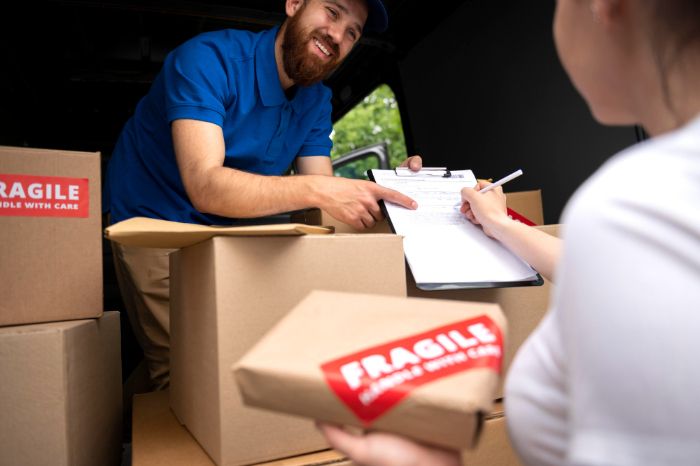
oubound shippingt

Frequently Asked Questions (FAQs)

What is outbound shipping?

Outbound shipping is the process of sending goods or parcels out from a business to another destination, such as a customer, another facility, a partner, or an employee. It usually includes picking, packing, labeling, carrier selection, and tracking.

What is an outbound logistics example in a multi-site company?

A common outbound logistics example is a company shipping laptops and monitors from one office or warehouse to remote employees in different states. Another example is sending supplies from a central facility to satellite offices.

What is the difference between inbound vs outbound logistics?

Inbound vs outbound logistics comes down to direction. Inbound logistics covers goods coming into the business. Outbound logistics covers goods going out of the business.

When should a company improve its outbound logistics process?

A company should improve its process when shipping is handled manually, spread across teams or locations, hard to track, or difficult to audit. Those are signs the business has outgrown an informal shipping process.

How does Airpals help companies manage outbound logistics?

Airpals helps centralize outbound logistics, where teams can create, track, and manage shipments from a single dashboard. Companies can connect their carrier accounts (UPS, USPS, FedEx), giving operations teams better visibility into outbound shipping, shipment status, and costs while maintaining a clear chain-of-custody record for each package.



Author:
Author avatar
Ananda AbadGrowth Marketing & SEO Writer
With a solid background in International Trade, she's passionate about uncovering the latest logistics and shipping trends. When she's not digging into data and industry insights, she’s writing to help businesses optimize their shipping processes.
What is Airpals?We help companies streamline corporate shipping by centralizing all carrier accounts in one place to drive operational efficiency: from FedEx and UPS to same-day local couriers.Learn More
The First AI-Powered Shipping Platform
An airpal orchestrating the delivery
Let AI handle it for you! Compare rates in seconds and get up to 89% discounts from top carriers.Try our AI Shipping Calculator

Outbound logistics is a critical part of any business’s operations, responsible for getting products, equipment, or documents from your company out to their intended recipients.

For workplace operators managing multiple offices or facilities, outbound shipping can feel overwhelming, from coordinating couriers and carriers to tracking packages and controlling costs.

In this comprehensive playbook, we’ll explain what outbound logistics is and how it differs from inbound logistics. More importantly, we’ll explore strategies to simplify these processes.

Table of Contents:

  1. What Is Outbound Logistics?
  2. What Is the Difference Between Inbound vs Outbound Logistics?
  3. What Does Outbound Logistics Look Like in Multi-Site Companies?
  4. Why Is Outbound Shipping So Difficult to Manage?
  5. How Does Airpals Centralize Outbound Logistics for Workplace and Operations Teams?
  6. When Should a Company Invest in a Parcel Management Platform?
  7. Key Takeaways
  8. Conclusion: Make Outbound Logistics Easier to Manage
  9. Frequently Asked Questions (FAQs)

What Is Outbound Logistics?

Outbound logistics refers to the set of processes involved in moving goods out of a business and toward the next destination. By the outbound logistics definition, this encompasses coordinating storage, transportation, and distribution of items from your organization.

For workplace operators, the concept often extends beyond ecommerce or manufacturing. A company may be sending laptops to new hires, office materials to satellite locations, or replacement equipment to technicians. In all of those cases, the business is managing outbound shipping from its own operational perspective. 

The goal of outbound logistics is to ensure that the right products reach the right place on time and in good condition, while optimizing cost and efficiency. 

What activities are included in outbound logistics?

Key activities typically included in outbound logistics are:

  • Order Processing: Handling orders or shipment requests, from order entry and verification to invoicing.
  • Packaging and Labeling: Preparing products or materials for shipment. This means securely packing items, labeling boxes, and including any necessary documentation.
  • Inventory and Warehousing: Storing finished goods in a warehouse or storage area until they’re ready to ship. 
  • Transportation and outbound shipping: Choosing the best shipping methods and carriers to deliver the items, and then coordinating the actual transport. This could involve scheduling pick-ups with parcel carriers or dispatching local couriers for same-day outbound delivery.

A well-run outbound logistics operation means users receive their packages on time, remote offices get the equipment or supplies they need, and the business minimizes shipping costs and errors along the way.

What Is the Difference Between Inbound vs Outbound Logistics?

Inbound vs outbound logistics can be understood by their direction and purpose. Inbound logistics covers the goods a company receives from suppliers or other origin points. Outbound logistics covers the goods a company sends out to another destination.

For workplace operators, the difference matters because outbound work usually involves tighter deadlines and more recipient coordination. When a shipment is leaving your facility, the business is responsible for accuracy, timing, and status communication. That often creates more administrative pressure than inbound receiving.

TopicInbound logisticsOutbound logistics
Direction of movementInto the company from suppliers or other origin pointsOut of the company to another destination
Typical activitiesReceiving, inspection, storage, inventory intakePicking, packing, labeling, shipping, tracking
Real-world scenarioAn office receives monitors from a vendorThe same company sends monitors to a remote employee

What Does Outbound Logistics Look Like in Multi-Site Companies?

For companies operating across multiple offices, warehouses, or facilities, outbound logistics becomes more intricate. Here’s a look at common outbound scenarios in a multi-site organization (and how they add complexity):

  • Inter-Office Shipments: Large organizations frequently need to send items between offices or facilities. For example, your HQ might ship marketing materials or office supplies to regional offices. Managing these outbound shipments means coordinating pickups and deliveries across different locations. Keeping track of inter-office packages can be challenging without a standardized process.
  • Outbound Distribution to Warehouses or Partners: Multi-site companies often transfer stock between warehouses, distribution centers, or partner facilities as part of their supply chain. This outbound transportation needs careful scheduling and tracking. Ensuring that each facility receives what it needs on time requires visibility into all shipments in transit.
  • Remote Employee Equipment Shipping: With the rise of remote and hybrid work, workplace teams are now handling outbound logistics to individual addresses as well. These shipments often involve extra steps like providing return labels, managing safe packaging, and tracking delivery to ensure employees get what they need to work. It’s a scenario that blends corporate logistics with parcel shipping, and if done manually for each employee, it can consume a lot of administrative time.

Operating in a multi-site environment means outbound logistics isn’t one-size-fits-all. You might be dealing with local couriers for same-city deliveries between offices, freight carriers for bulk transfers to warehouses, and parcel services for individual shipments, all at once. 

Why Is Outbound Shipping So Difficult to Manage?

If outbound logistics feels hard to wrangle, you’re not alone. Many workplace and operations teams struggle with day-to-day outbound shipping management, especially as their company grows. Several pain points commonly crop up:

Fragmented Carrier Accounts Across Teams and Locations

One of the biggest problems is fragmentation. Different offices or departments may create shipments through separate carrier logins, different billing methods, or inconsistent approval processes. When that happens, the company loses a clear view of total shipping activity. It also becomes harder to standardize how shipments are created and monitored.

According to industry insights, this problem is widespread: many large corporations end up with hundreds or even thousands of separate carrier accounts opened over the years. Each team might have found it easier to create a new account for their needs, but as a whole, the company loses oversight.

Limited Control Over Outbound Shipping Costs

Another challenge is the lack of centralized control and visibility into shipping expenses. When each team or site handles outbound shipments on its own, finance and operations managers might only see the totals long after the fact, if at all.

This decentralized approach makes it tough to answer basic questions like: How much are we spending on outbound shipping each month? Which carriers or service levels are we using most? Are we paying for unnecessary expedited shipments or incurring avoidable fees? If every office manager is buying postage or booking couriers independently, there’s likely no consolidated report of those transactions. 

Hidden fees and surcharges can slip through, and opportunities to save money (through better rate negotiation or smarter service selection) remain buried in siloed data.

No Centralized Chain of Custody Trail for Outbound Shipments

Chain of custody in shipping means having a record of who handled a parcel at each step, from the moment it leaves your hands to the moment it’s delivered. When outbound shipments are handled ad hoc by different people, it’s easy for this accountability to break down.

Without a consolidated system, you can’t quickly answer “Where’s that package now, and who sent it?” For companies dealing with sensitive shipments (like legal documents or confidential prototypes), the absence of chain-of-custody tracking can even pose compliance issues.

This was one frustration that led to Airpals’ creation: our founder observed teams bogged down by “lost packages” and no clear way to audit what happened to them. Simply put, managing outbound shipping without a central platform is difficult because you’re essentially flying blind on where items are and who handled each shipment.

How Does Airpals Centralize Outbound Logistics for Workplace and Operations Teams?

To address the complexities of outbound logistics, companies are turning to specialized platforms that centralize and streamline shipping workflows. One such solution is Airpals, a parcel management platform built for workplace and facilities teams. 

Rather than treating outbound shipping as an isolated task at each office, Airpals provides one integrated system to manage everything. Here’s how Airpals simplifies outbound logistics for multi-site organizations:

How Airpals helpsWhy it matters
One dashboard for all outbound shipping activityGives teams a centralized view across offices, facilities, and shipment types
Connecting carrier accounts without changing providersHelps standardize shipping operations while keeping existing carrier relationships
Increasing visibility across facilities and warehousesMakes it easier to understand shipment status and activity across locations
Reducing the administrative burden of outbound delivery managementCuts back on manual coordination across inboxes, spreadsheets, and separate portals

For growing companies, this matters because the problem is usually not shipping itself. The problem is the operational overhead around shipping. A centralized parcel management layer can make outbound transportation easier to oversee without adding another fragmented process on top of the ones already in place.

When Should a Company Invest in a Parcel Management Platform?

Given the benefits of centralizing outbound shipping, a logical question is, when is the right time for a company to adopt such a platform? Here are a few meaningful signs that your organization might be ready for an outbound logistics upgrade:

Outbound Shipping Has Become Too Manual

If employees are spending significant time on shipping tasks like copying and pasting addresses, comparing carrier rates on multiple websites, or physically dropping packages at the post office daily, it’s a strong indicator that productivity is being lost. 

When shipping starts feeling like a “side job” for your team (consuming hours that could be spent on core duties), it’s time to streamline.

Lack of Visibility and Frequent Surprises

Maybe you’ve had instances of lost packages, or finance is seeing unexpected FedEx bills weeks later that no one can explain. If you find yourself constantly reacting to issues (e.g., “Where is that shipment? Who sent this $500 overnight package?”) rather than proactively managing them, that’s a clear sign the process is out of hand.

Multiple Locations or Teams Handling Shipments

As your company scales to new offices, warehouses, or a larger remote workforce, the complexity of outbound logistics multiplies. Growing facilities mean more people sending items out, which magnifies the fragmentation. 

If each location is doing things differently or if you’ve outgrown the simple processes that worked when you were smaller, it’s time to consider a unified solution. Consistency across sites is key, and hard to maintain without a dedicated platform.

Outbound Process is Affecting Employee Experience

If delays in outbound logistics are causing customer complaints or slowing down new employee onboarding (e.g., Bob’s laptop didn’t arrive before his first day), it’s time to improve your system. 

Smoothing out outbound workflows can directly improve satisfaction and efficiency. For instance, ensuring equipment arrives on time for a remote hire prevents lost productivity on their start date.

Desire for Cost Control and Data-Driven Decisions

Companies often reach a stage where cutting costs and optimizing operations becomes a priority. If outbound shipping is identified as an area with cost creep or inefficiencies, investing in a platform can deliver quick ROI. 

The ability to see all shipment spend and usage patterns means you can make data-driven decisions (like consolidating carriers, adjusting service levels, or eliminating unnecessary shipments). 

In summary, you should consider a parcel management platform when the current process is clearly too manual, lacks oversight, or isn’t scaling well with your business. Early adoption can save a lot of headaches down the road. 

Many companies wait until they’re drowning in shipping chaos, but savvy operations leaders recognize the inflection point early, when investing in better tools shifts outbound logistics from a pain point to a competitive strength.

Key Takeaways

  • Outbound logistics is the process of moving goods out from your company to customers, partners, or other locations. It’s as vital to business success as managing inbound supplies.
  • Inbound vs. outbound logistics: Inbound is about receiving what your business needs (materials, supplies), whereas outbound is about sending items from the organization to other locations such as offices, warehouses, partners, or remote teams. 
  • Multi-site outbound shipping adds complexity: companies with multiple offices or warehouses must juggle inter-office shipments, distribution between facilities, and sending equipment to remote employees, often with each site doing things a bit differently. This makes standardization and visibility even more important.
  • Common outbound pain points include fragmented carrier accounts (no centralized control), limited oversight of shipping costs (hidden fees, missed savings), and a lack of unified tracking (leading to lost packages or unknown status).
  • Centralizing outbound logistics with a platform like Airpals can solve these challenges by unifying all shipments into one dashboard, connecting all carrier accounts, providing real-time tracking and spend visibility, and automating workflows. Teams regain control over outbound shipping and significantly reduce manual effort.
  • Know when to upgrade: If your outbound process is very manual, error-prone, or struggling to keep up with growth, it’s a strong signal to invest in better tools. 

Make Outbound Logistics Easier to Manage

Outbound logistics will always be a crucial operation, but it doesn’t need to be a headache. With the right approach and tools, you can transform outbound shipping from a disjointed, manual task into a streamlined, controlled process.

If your company is ready to eliminate the hassles we discussed, from lost packages to runaway costs, it might be time to look into a solution like Airpals Parcel Management. In other words, it’s about working smarter, not harder, when it comes to corporate shipping. 

Make outbound logistics easier to manage by equipping yourself with the best practices and platforms available; your team (and your bottom line) will thank you for it.

Request a free demo of Airpals today!

oubound shippingt

Frequently Asked Questions (FAQs)

What is outbound shipping?

Outbound shipping is the process of sending goods or parcels out from a business to another destination, such as a customer, another facility, a partner, or an employee. It usually includes picking, packing, labeling, carrier selection, and tracking.

What is an outbound logistics example in a multi-site company?

A common outbound logistics example is a company shipping laptops and monitors from one office or warehouse to remote employees in different states. Another example is sending supplies from a central facility to satellite offices.

What is the difference between inbound vs outbound logistics?

Inbound vs outbound logistics comes down to direction. Inbound logistics covers goods coming into the business. Outbound logistics covers goods going out of the business.

When should a company improve its outbound logistics process?

A company should improve its process when shipping is handled manually, spread across teams or locations, hard to track, or difficult to audit. Those are signs the business has outgrown an informal shipping process.

How does Airpals help companies manage outbound logistics?

Airpals helps centralize outbound logistics, where teams can create, track, and manage shipments from a single dashboard. Companies can connect their carrier accounts (UPS, USPS, FedEx), giving operations teams better visibility into outbound shipping, shipment status, and costs while maintaining a clear chain-of-custody record for each package.


Author:
Author avatar
Ananda AbadGrowth Marketing & SEO Writer
With a solid background in International Trade, she's passionate about uncovering the latest logistics and shipping trends. When she's not digging into data and industry insights, she’s writing to help businesses optimize their shipping processes.

Related Posts

Industrial workplace logistics
Workplace Logistics

5 AI Tools Powering Smarter Workplace Logistics

Explore five AI tools used in workplace logistics to automate workflows, improve visibility, and support daily shipping and operations tasks.
Feb 19, 2025
Top Mailroom Services
Workplace Logistics

Top 5 Best Mailroom Services for 2026

Explore leading mailroom services shaping 2026. Compare features and mailroom automation tools that keep workplaces organized.
Nov 25, 2025
interoffice mail
Workplace Logistics

How to Manage Interoffice Mail Efficiently

Explore common issues with internal mail and learn practical ways to organize, track, and improve interoffice deliveries across your workplace.
Nov 06, 2025
Discover more posts
Airpals white logo
Facebook icon
Instagram icon
Twitter icon
Linkedin icon
Subscribe to our newsletter
FedEx UPS USPS Boxes
USPS vs UPS vs FedEx: Shipping Rates, Delivery Speed & Key Differences
Delivery Male with Package List
How to Get Shipping Discounts for My Business? UPS, USPS and FedEx
About Us
For Companies
Pricing
Messenger Service in NYC
Multi-carrier Shipping Software
Shipping Cost Calculator
Same-Day Courier Other Cities
How It Works
Share Your Feedback
Help Center
Contact Us
Blog
Sitemap
Privacy Policy
Terms & Conditions:
T&C Multi-Carrier Shipping
T&C NYC Same-Day Delivery
Facebook icon
Instagram icon
Twitter icon
Linkedin icon