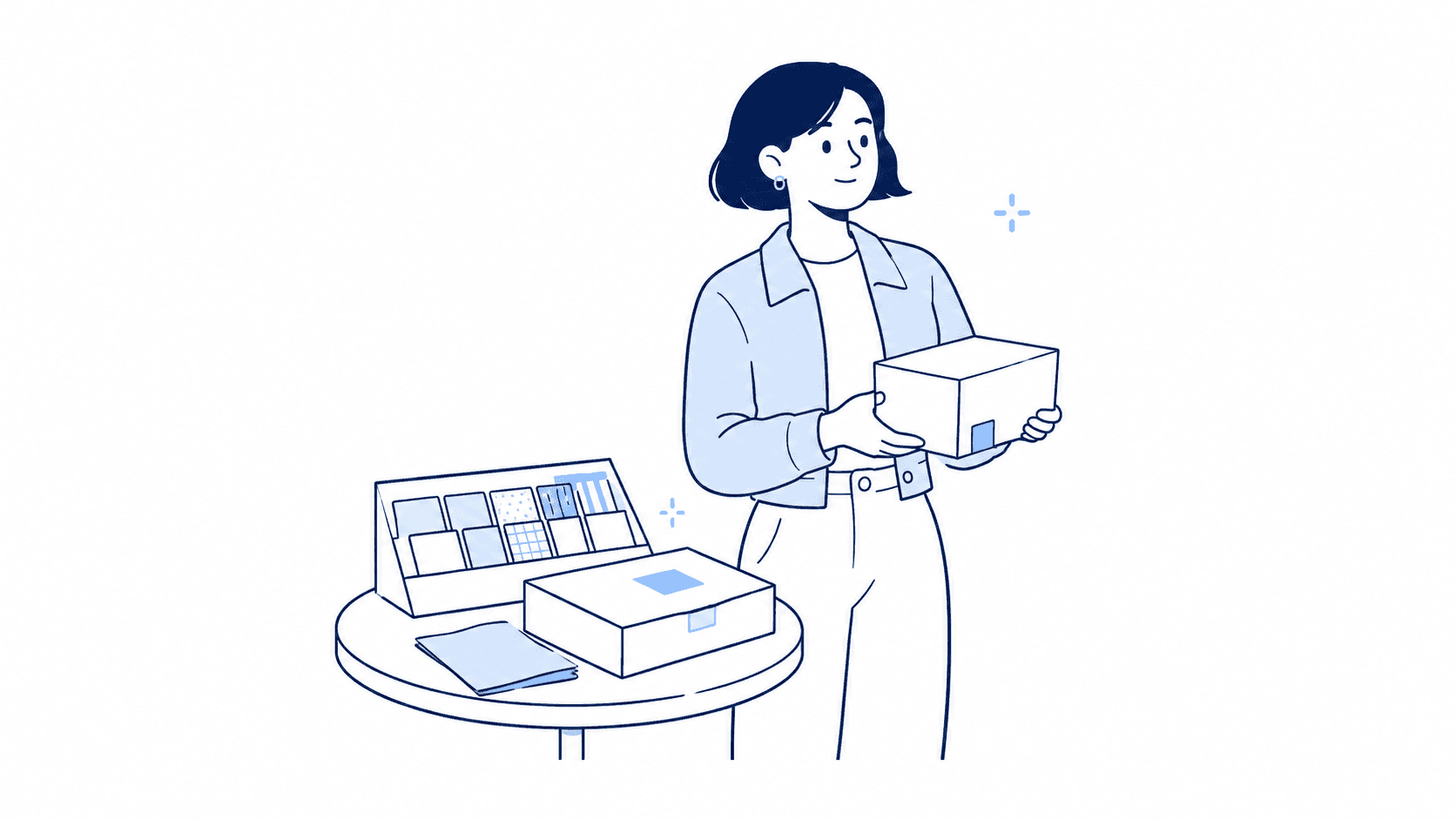
As a beauty or fashion brand's creator list grows, shipping starts taking up more of the marketing team's day. A few recipients need their kits before a local launch event; others are waiting on packages traveling across the country. Then an address changes, and someone has to catch it before the labels are printed.
For the person coordinating product seeding, these details are part of the campaign. Getting them right takes planning, especially when a small batch becomes a recurring program. Let's look at how creator selection, product preparation, and shipping fit together, and what makes the work easier as the list grows.
Table of Contents:
- What Is Product Seeding and How Does It Work?
- How to Build a Product Seeding Strategy
- What Successful Product Seeding Campaigns Have in Common
- How to Measure Product Seeding Performance
- How to Manage Shipping for a Product Seeding Campaign
- How Airpals Helps Brands Manage Product Seeding Shipments
- Key Takeaways
- Conclusion: Ship Your Next Seeding Campaign Without Losing a Send
- Frequently Asked Questions (FAQs)
What Is Product Seeding and How Does It Work?
Product seeding means giving selected creators products to try, without requiring content in return. After confirming interest, the brand selects suitable items and arranges the send. Creators have time to explore the products and decide what they want to share.
Product Seeding vs. Paid Influencer Campaigns
With influencer product seeding, posting is voluntary. A paid influencer campaign establishes compensation, deliverables, and deadlines, so a campaign that needs a video on launch day should include a separate agreement before anything ships.
A gifted product still creates a brand relationship. FTC guidance explains that creators who mention products received free should disclose that connection, even when no post was requested. No content creator who takes things seriously would not give the FTC's influencer disclosure guide a deep read to understand the changes in the trade.
Why Brands Use Product Seeding?
In beauty influencer marketing, a creator who has worn a foundation through a full day has something specific to discuss. The same applies to fashion: trying on a garment lets someone show how it fits and works with clothes they already own.
These observations help audiences discover products through someone they already follow. For the brand, PR seeding can bring earned exposure and relationships that continue beyond the launch. Even a private reply can be useful feedback.
How to Build a Product Seeding Strategy
Start your product seeding strategy with what you want to learn or achieve. Introducing a new label calls for a different list than gathering feedback from creators who already use your products.
Choosing the Right Creators for Product Seeding
Spend some time with a creator's recent content. The subjects they return to and the questions their audience asks tell you more about fit than follower count alone. Geography matters, too: interested followers need to be able to buy the product.
When seeding influencers, ask if they would like to receive the product before shipping anything. Confirm shades, sizes, and a current address in the same conversation, including with returning recipients. Having a clear process for sending products to influencers helps prevent avoidable issues.
Tiering Your Creator List: VIP, Mid-Tier, and Long-Tail
Tiers help allocate attention and budget. A VIP may be an established partner with a specific launch role. The long-tail group consists of smaller, specialized creators who can collectively broaden your reach.
| Creator group | Personalization | Delivery planning |
|---|---|---|
| VIP | Individual product selection | Confirm the receiving appointment |
| Mid-tier | Products matched to known preferences | Plan around the creator's schedule |
| Long-tail | Consistent kits with suitable variants | Prepare batches with realistic arrival targets |
Location still determines the shipping options. A nearby VIP may need a courier, while one across the country needs a carrier service that meets the deadline.
What to Include in an Influencer Seeding Kit
A useful influencer seeding kit helps the recipient get acquainted with the product. Alongside the selected items, include clear instructions, a personal note, and a contact for questions. Teams preparing PR packages and influencer mailers should also make sure the presentation works without compromising how securely the products travel.
Pack one complete kit before approving the packaging. Bottles should stay secure, and accessories shouldn't shift when the box moves. Once everything fits, weigh and measure the package so you can choose the right shipping option and avoid issues when booking.
What Successful Product Seeding Campaigns Have in Common
Batch preparation saves repeated work, but recipients may need their products at different times. The campaign schedule should account for both.
Timing Seeding Around a Product Launch
Work backward from the date the creator needs the product. Timing can change based on:
- Product type: A serum may need several days of testing, while an accessory may only need to arrive before a shoot or event.
- Embargoes and launch dates: Products should arrive early enough for creators to prepare without going live before the agreed date.
- Campaign priority: Time-sensitive sends tied to launches, shoots, fittings, or events may need tighter arrival windows than the rest of the campaign.
- Geography: Nationwide sends usually need to leave earlier than local deliveries.
Leave enough buffer for packing, transit, and possible replacements. A jacket needed for a Thursday shoot should arrive early enough to fix a sizing or delivery issue before Thursday.
Coordinating Different Creator Tiers
Not every creator needs the same workflow. A VIP creator may need:
- Personalized product selection
- A confirmed delivery window
- Coordination around a fitting, event, or launch
A larger influencer seeding list can usually be prepared in batches with standardized kits and broader arrival windows.
For example, a local VIP may receive a same-day courier drop, while dozens of creators across the country receive packages through carrier services. Keeping both workflows on one campaign calendar makes it easier to see what has been packed, shipped, delivered, or still needs attention.
Building a Repeatable Seeding Cadence
For recurring campaigns, use the same core sequence each time:
- Confirm creators and addresses.
- Finalize products and kits.
- Set packing and shipping dates.
- Track deliveries and exceptions.
- Follow up after arrival.
Keep notes from completed campaigns, including what was sent, which deliveries needed follow-up, and what should change next time. These past campaigns can become useful product seeding examples for making future sends easier to manage.
How to Measure Product Seeding Performance
Measure both creator response and campaign execution. A campaign may generate strong engagement but still have delivery issues, or arrive perfectly on time without much creator response.
Content, Reach, and Creator Response
Track:
- Creators who received the product
- Posts and brand mentions
- Reach and engagement
- Creator replies and qualitative feedback
For influencer product seeding, posting rate is also useful: Posting rate: creators who posted/creators with confirmed delivery
For example, if 20 out of 80 creators with confirmed delivery posted, the posting rate is 25%.
Delivery and Campaign Completion
Compare the approved recipient list with what was actually shipped and delivered. Track:
- Delivered shipments
- Delays and delivery exceptions
- Damaged or returned packages
- Replacements and unresolved sends
Keep replacements connected to the original shipment so you can see the additional cost and final outcome.
How to Manage Shipping for a Product Seeding Campaign
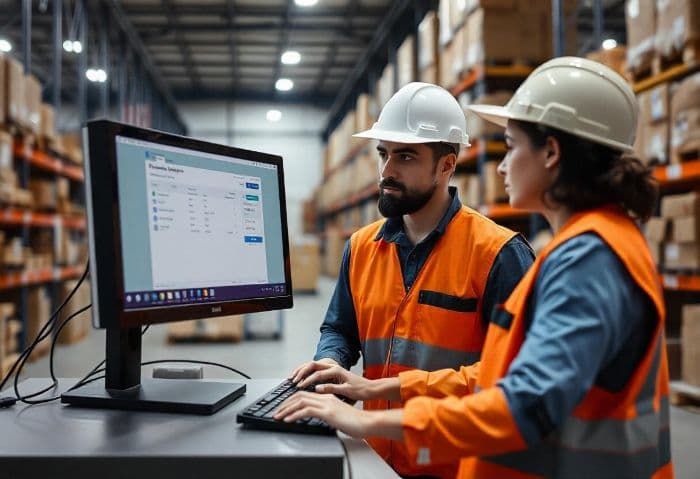
Once the list is approved, assign one person to coordinate shipping and keep track of recipient details, product variants, packed weights and dimensions, arrival targets, and receiving instructions. Restrict access to personal addresses to people who need them.
For beauty sample shipping, check the contents before choosing a service. USPS prohibits alcohol-based perfume in domestic air mail and international mail, while allowing eligible domestic ground shipments. Review USPS shipping restrictions for the applicable conditions to avoid preventable shipping issues.
Same-Day VIP Drops vs. Nationwide Sends
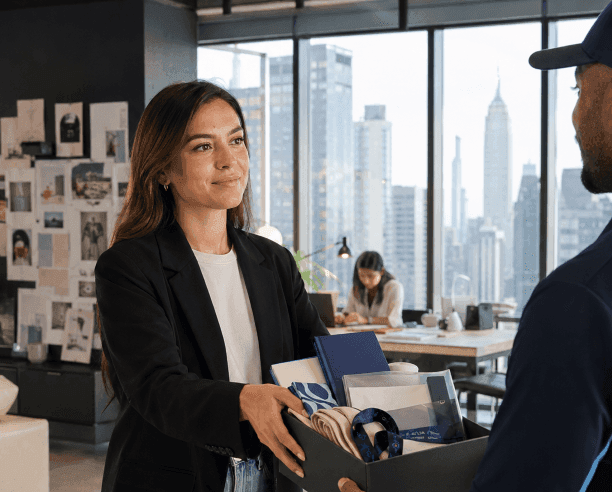
A local courier can handle a kit needed before an event or a replacement available nearby. Confirm the pickup window, building access, and who will receive it. Nationwide packages need carrier services selected for the route, contents, and deadline.
Missing apartment numbers and outdated hotel addresses are easier to correct before booking. Once those details are settled, link each booking to its recipient record so colleagues can see what has already been arranged. This helps avoid duplicates across separate carrier portals.
Review delivery exceptions in one shared place. When a package can't be delivered, the team needs to know who is following up and what happens next while there is still time to help.
Retain pickup and delivery evidence, including the receiving party where available, to support chain of custody. Tracking alone may not document every handoff.
How Airpals Helps Brands Manage Product Seeding Shipments
Product seeding can involve urgent local drops, dozens of nationwide packages, and several people coordinating the same campaign. Airpals helps brands manage those different shipping needs in one place.
With Airpals, teams can:
- Handle local and nationwide sends. Use Same-Day Courier Service for VIP drops, replacements, shoots, fittings, or event-day needs, and Multi-Carrier Shipping for larger nationwide seeding batches.
- Control access across the team. With role-based access, organizations can decide who can manage, place, or only view shipments, so marketing, PR, and operations teams can collaborate.
- Organize shipping activity and spend. Teams and cost centers help separate shipments and expenses across campaigns, departments, offices, or clients, making recurring seeding programs easier to manage.
- Share tracking while keeping personal details private. Send creators or teammates a shareable tracking page with key shipment details and status updates, without exposing personal recipient information.
- Keep shipping operations centralized. Local courier orders, nationwide shipments, tracking, and costs stay connected instead of being spread across different carrier portals and tools.
As campaign volume grows, having that activity organized in one place can also make parcel spend management easier.
Key Takeaways
- Confirm the basics before packing: creator interest, product preferences, sizes or shades, and receiving details.
- Plan shipping around the campaign: launch dates, testing time, shoots, embargoes, and geography all affect timing.
- Match the workflow to the send: VIP drops may need tighter coordination, while larger nationwide batches can be more standardized.
- Keep the process repeatable: organize lists, kits, shipping dates, tracking, and follow-up for future campaigns.
- Measure more than content: review creator response alongside delivery issues, replacements, and campaign costs.
- Centralize shipping as volume grows: managing local and nationwide sends in one place makes campaigns easier to control.
Conclusion: Ship Your Next Seeding Campaign Without Losing a Send
A strong product seeding campaign doesn't end when the boxes are packed. The real challenge is getting every kit to the right creator, at the right time, without losing visibility as the campaign grows.
That means planning around launch dates, choosing the right delivery method for each send, and having a clear way to track what was shipped, delivered, delayed, or replaced.
Airpals helps teams coordinate same-day and nationwide shipments in one place, so the shipping side of seeding stays organized while the campaign moves forward.
Contact us to see how Airpals can support your next product seeding campaign.
Frequently Asked Questions
What is product seeding?
Product seeding is the practice of giving products to selected creators without requiring content in return. Beauty and fashion brands use it to introduce products, encourage firsthand experience, gather feedback, and develop relationships.
What is the difference between product seeding and paid influencer marketing?
Product seeding offers a gift without guaranteed content. Paid influencer marketing involves compensation and agreed deliverables, such as videos, posts, or appearances. Brands should clarify expectations before sending anything.
How do brands manage shipping for large-scale seeding campaigns?
Brands manage large-scale seeding by organizing creator details, product variants, package information, and arrival deadlines before anything ships. They may use local couriers for urgent or VIP drops and carrier services for larger nationwide batches, while keeping tracking, delivery exceptions, and replacements organized in one shared workflow.
How do you track products sent to influencers at scale?
To track products sent to influencers at scale, keep each creator linked to a specific shipment and monitor pickup, transit, delivery, exceptions, and replacements in one shared system. Use tracking numbers and proof of delivery where available, and flag delayed or unresolved shipments for follow-up.
What's the right timing for product seeding?
The right timing for product seeding depends on when creators need the product, how long they need to test or style it, and how far it has to travel. Plan backward from the launch date and include time for packing, transit, creator use, embargoes, and possible replacements. Nationwide shipments usually need to leave earlier than local drops, especially when the campaign is tied to a shoot, fitting, or event.