Black Friday isn't just for consumer brands. B2B companies can use the shopping season to attract business buyers, strengthen customer relationships, and create opportunities for orders that might otherwise be pushed into the following year.
But a successful B2B Black Friday strategy requires more than a discount and a promotional email. Business customers may need purchasing approvals, formal quotes, larger order quantities, or specific delivery arrangements before they can commit.
This guide covers eight practical B2B Black Friday strategies for 2026, from planning promotions and reaching existing customers to preparing logistics for the holiday rush.
Does Black Friday Work for B2B Companies?
Black Friday has always been synonymous with B2C (business to consumer) retail, but businesses also purchase equipment, supplies, software, and services during the holiday season.
For B2B companies, the opportunity depends on what they sell and how their customers make purchasing decisions. A packaging distributor could introduce special pricing for companies replenishing supplies, while a software provider might offer incentives for annual subscriptions.
Other businesses may use Black Friday to prepare for upcoming projects. Marketing teams might purchase promotional merchandise for holiday campaigns, while event managers could order materials for conferences and trade shows scheduled for early 2027.
However, not every B2B company needs a Black Friday promotion. Businesses with longer sales cycles or highly customized products may find more value in encouraging quote requests, consultations, or conversations with existing prospects.
The key is to create an offer that addresses a real business need rather than copying a consumer retail promotion.
How Logistics Supports Your B2B Sales Techniques During Black Friday
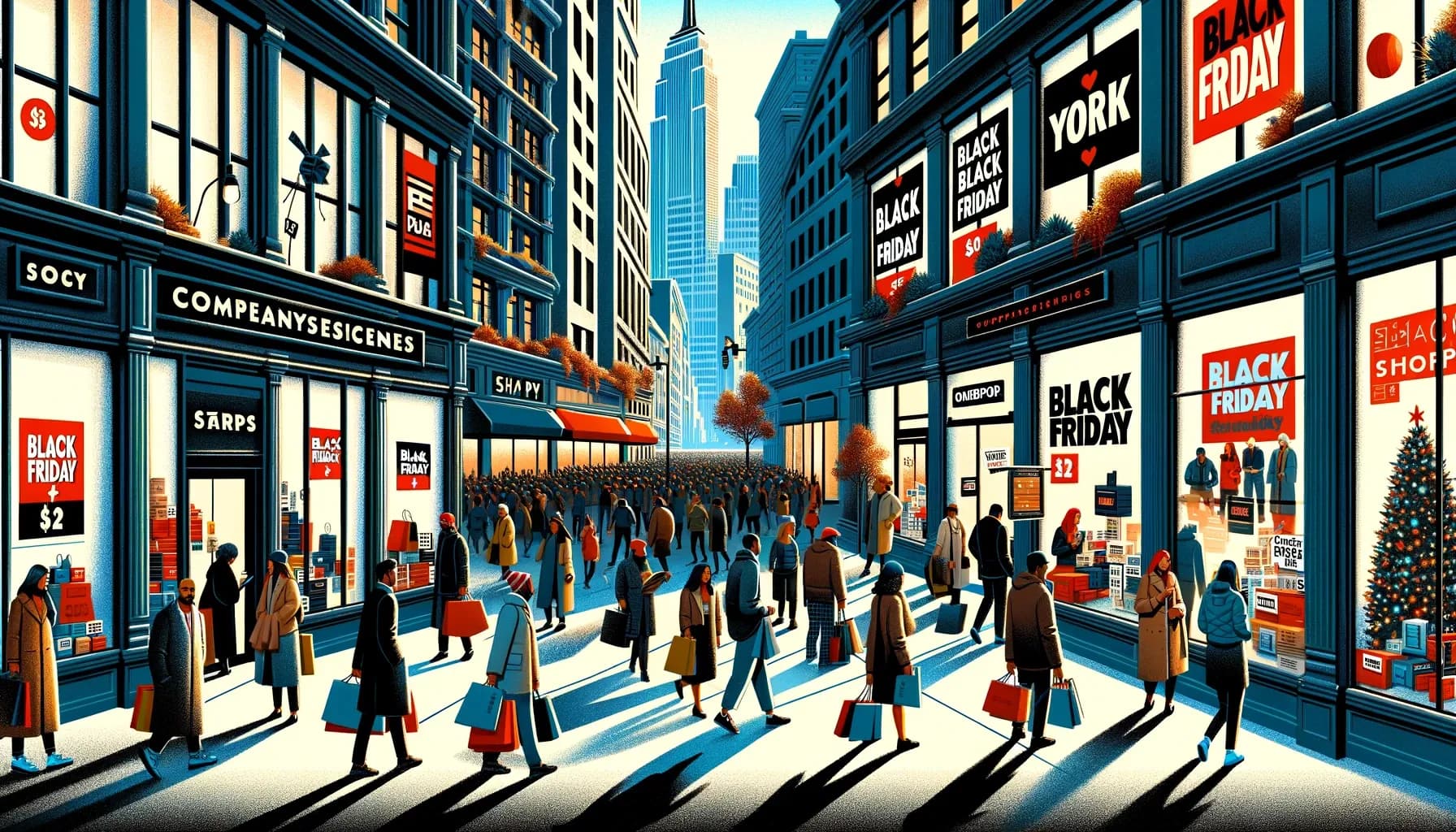
Now, let's talk logistics. One aspect that can make or break a B2B Black Friday sale is shipping and logistics. The city that never sleeps just got a jolt of black friday extra strong coffee and the streets are especially dynamic and fast-moving.
Take into account that during this time there is a lot of movement and tons of tourists packing the streets and complicating the flow. With the city going crazy (actually, going Black Friday crazy) this is where courier services like Airpals come into the picture.
In the rush to cater to increased demands, traffic jams around every corner, and oblivious pedestrians looking at the banners and sale signs that go all the way into the horizon, B2B businesses often overlook the importance of delegating internal shipping and logistics to a reliable partner while facing the surge in demand.
This is where outsourcing to reliable courier services becomes a game-changer. It's not just about getting crazy sales on black friday; it's about keeping the gears of your business turning seamlessly before, during, and after Black Friday.
8 Black Friday Strategies for B2B Companies
Whether your goal is to generate new business, encourage repeat purchases, or increase order volume, these strategies can help you prepare a campaign that makes sense for your customers:
1. Build Anticipation Before Black Friday
Give customers time to learn about your offer before the promotional period begins. Unlike individual consumers, business buyers may need to request approval, review budgets, or consult colleagues before committing to an order.
Start by identifying customers who could benefit from your promotion and contacting them ahead of the launch.
Use email campaigns, direct outreach, and your existing customer relationships to communicate the promotion. The goal is to give interested buyers time to prepare rather than expecting them to make an immediate decision.
2. Use Social Media to Reach Business Buyers
Social media can help promote your Black Friday offers, but instead of relying entirely on generic discount announcements, explain how your products or services address a specific business problem.
LinkedIn can be useful for reaching professional audiences, while Instagram and other platforms may support companies whose customers already engage with them there. Choose your channels based on where your target audience is active rather than trying to promote the campaign everywhere.
Keep your messaging consistent across channels. Social media should support your broader marketing strategy, not operate as a separate campaign.
3. Optimize Your Website
Having a website that hasn’t been updated since the first Avengers movie is not the best idea. Before Black Friday, review your product pages, purchasing process, and contact forms to identify anything that could prevent a customer from completing an order.
Make essential information easy to find, including:
- Promotional pricing and eligible products.
- Minimum order quantities and bulk pricing.
- Product specifications and availability.
- Shipping options and estimated delivery times.
- Payment terms and available purchasing methods.
If customers can purchase directly through your website, test the checkout process on desktop and mobile devices. For companies that primarily sell through account managers, make quote requests and contact information easy to access.
4. Reduce Abandoned Carts and Unfinished Purchase Requests
Not every customer who shows interest will complete a purchase immediately. Some may add products to their carts and leave before checkout. Others might request a quote but never proceed with the order.
These customers have already demonstrated interest in your products, making them a relevant audience for follow-up.
For sales-assisted purchases, follow up with prospects who have outstanding quotes or previously expressed interest. However, don't assume that every unfinished purchase is caused by a lack of urgency.
A buyer considering a large order may be waiting for confirmation about inventory, shipping costs, or delivery timelines. Your follow-up should address those potential concerns rather than simply repeating that the discount is about to expire.
5. Create a Holiday Marketing Calendar
This one is more directed to your own personnel and your office. Keep track of your marketing strategies with a clear and easy-to-follow calendar.
In 2026, Black Friday falls on November 27, followed by Cyber Monday on November 30. Start with these dates and work backward.
Identify when your team needs to finalize promotional offers, approve creative assets, update the website, and begin contacting customers. If your campaign includes physical marketing materials, account for production, packaging, and shipping time.
6. Offer Value Beyond Discounts
Reducing prices is one way to attract customers, but it isn't the only option available to B2B companies. Business buyers may place greater value on purchasing flexibility, additional services, or incentives that address their specific needs.
If charitable giving is already part of your company's commitments, you could also connect the campaign to an initiative and communicate the contribution clearly. Whatever offer you choose, review its financial and operational implications before launching it.
7. Enhance the Online Buying Experience
Business customers need more information to make purchasing decisions, especially when they cannot examine products in person. Your website and customer support channels should answer common questions before the promotional period begins.
If you sell equipment or products that benefit from demonstrations, consider offering short videos, virtual consultations, or product walkthroughs.
Depending on your business model, you could also allow buyers to request bulk pricing or speak directly with a representative before completing their purchase. A useful buying experience helps customers evaluate their options without unnecessary back-and-forth.
8. Give Longtime Customers Relevant Black Friday Deals
Your existing customers already know your products and services. Black Friday is an opportunity to strengthen those relationships and encourage additional business.
Start by reviewing purchasing history to identify products or services customers may need again. A company that regularly orders office supplies might appreciate a volume discount on frequently purchased items.
Rather than sending every customer the same promotion, consider segmenting your audience based on purchasing behavior.

Preparing Your B2B Shipping Operations for Black Friday
A successful Black Friday campaign doesn't end when a customer places an order. Your business still needs to prepare, ship, and deliver what it sells.
For B2B companies handling bulk orders, multiple destinations, or tight deadlines, having the right logistics partner can make a difference.
Step #1: Identify Your Shipping Requirements
You don't need to wait until orders start coming in to organize your logistics. Focus on three things before launching your campaign:
- Know what you're shipping: Review available inventory, estimate order volumes, and identify shipments that require special handling or tight delivery deadlines.
- Match shipments with the right services: Determine which orders need local same-day couriers and which require nationwide carriers. Confirm availability and have backup options for urgent requests.
- Keep your team on the same page: Assign shipping responsibilities, centralize order information, and make sure everyone knows how to track shipments and handle delivery exceptions.
Step #2: Complete Your Black Friday Logistics Checklist
Before your campaign goes live, run through this final operational check:
- Confirm inventory levels against expected demand.
- Verify carrier pickup schedules and holiday shipping deadlines.
- Double-check recipient addresses and business receiving hours.
- Make sure your team has access to shipment tracking.
- Confirm who will handle urgent requests or delivery issues.
Case Study: A New York Tech Company
Take, for instance, a New York-based tech company that specializes in office equipment. Not your regular fashion-driven or home consumer market. Last Black Friday, they decided to partner with Airpals NYC Courier Service to handle all their deliveries.
The result? They saw a 40% increase in sales and a significant uptick in customer satisfaction. Why? Because they could focus on what they do best: selling quality products while leaving the logistics to the experts.
_Customer name withheld for privacy. _
How Airpals Keeps Your Business Shipments Organized
When Black Friday orders start coming in, managing different shipping services, delivery deadlines, and tracking information can quickly become time-consuming.
Airpals brings multi-carrier shipping and same-day courier services together in one platform, so your team can:
- Manage local and nationwide shipments: Book same-day couriers for local sends or choose from multiple carriers for shipments across the country.
- Keep tracking in one place: Monitor shipments without switching between separate carrier websites.
- Coordinate shipping across your team: Give team members access to manage orders and keep shipment information organized.
Airpals helps your team spend less time managing logistics and more time focusing on your business.
Conclusion: Make Your B2B Black Friday Campaign Count
We should know by now that Black Friday isn't just a playground for B2C retailers; it's a burgeoning field of opportunities for B2B businesses too. The key is to recognize the potential and make strategic moves. Start with relevant offers, communicate them early, make purchasing straightforward, and ensure your team is prepared
And don't leave shipping until the last minute. Planning your inventory, delivery requirements, and fulfillment process ahead of time can help your campaign run more smoothly when orders start coming in.
With the right preparation, your Black Friday strategy can support both immediate sales and longer-term customer relationships.

Frequently Asked Questions about B2B Black Friday:
What is Black Friday?
Black Friday is a major shopping event that takes place the day after Thanksgiving in the United States. It marks the beginning of the holiday shopping season and is known for significant discounts and promotions offered by businesses. Shoppers flock to stores and online platforms to take advantage of special deals, often leading to high sales volumes and a bustling shopping environment.
What Is the Difference Between Black Friday and Cyber Monday?
Black Friday includes both in-store and online promotions, while Cyber Monday originated as an online shopping event. For B2B companies, extending promotions across both dates can give customers more time to review offers and obtain purchasing approvals.
When Should I Start Planning a Black Friday Campaign?
Ideally, start planning several months in advance, especially if your campaign involves bulk orders, customized products, or promotional materials. This gives your team time to prepare offers, coordinate marketing activities, confirm inventory, and arrange shipping before the holiday rush.
Is Black Friday Profitable?
Black Friday can be profitable for B2B companies when promotions generate enough additional business to justify their costs. Evaluate profit margins, discounts, marketing expenses, and fulfillment costs rather than focusing solely on sales volume.